
Summary
- Too often, civilians observe Veterans Day with perfunctory thanks.
- “Thank you for your service” should come with a desire to understand what that service required.
- Take the time to talk with veterans about their time in the military, and not just on Veterans Day.
Military service has always been close enough for me to admire, but it has never been mine to claim.
Members of my family have served during the Korean War and the Vietnam War. Others graduated from West Point or joined the Navy. Their stories have never felt distant to me. Their experiences, however, still are.
That is why Veterans Day should make someone like me uncomfortable.
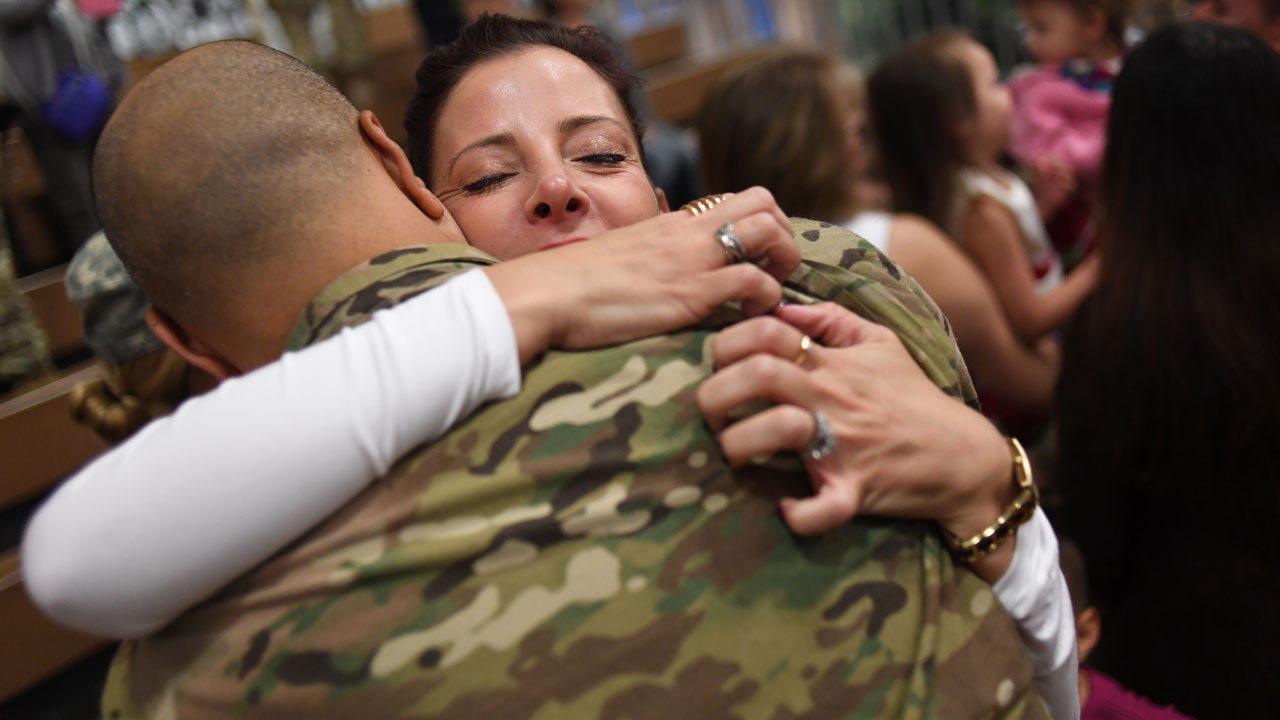
Every year, we celebrate Veterans Day to honor those who have worn the uniform. It’s a day full of social media tributes, American flags, parades, and praise-filled speeches from politicians.
There is nothing wrong with these traditions. The problem is that our gratitude usually ends there. It is easy to thank veterans for their sacrifices and just move along with our day. It’s comfortable.
TRENDING ARTICLES



What is harder is to stop and consider the weight behind the words we are saying. “Thank you for your service” should come with a desire to understand what that service required.
We toss around the word “served” so often that the meaning of that word gets lost. Military service can demand time away from family, personal discomfort, lack of control over where you live, and, for some, losing life itself.
It is about sacrifice and being selfless.
When I ask my grandfather about what it was like to serve during the Vietnam War, I only get glimpses of what he went through. He tells me about rescue missions to retrieve fellow soldiers who had been injured. He remembers friends who never came home. I can listen to those stories, but I can’t pretend to understand what it was like to live through them.
Living and working in Washington, D.C. has only reinforced that realization for me. Reminders of military sacrifice are everywhere, but proximity does not automatically create understanding. Familiarity can make it easier to stop noticing.
Listening to veterans gets us closer to understanding their experiences than a perfunctory thank you ever could. We are always in danger of letting gratitude become casual and easy.
Genuine gratitude is more than a few words. It requires something of us: our time and attention.
We can start by listening. Sit down to ask veterans about their life in service if they are willing to share. Pay attention to the challenges that don’t disappear when the uniform comes off. Preserve their stories so their experience is not forgotten. Let your concern for them extend beyond the patriotic days already marked in our calendars.
Civilians should not let “thank you for your service” be the end of the conversation; it should only be the beginning.
I will never know what it was like for my family members who served. Their experiences are not mine to claim simply because I share their last name or know their stories. Their example, however, is something I can carry forward.
This year, and those in the future, take the time to sit with your words a moment longer before moving on with your day. Reach out to veterans in your community and listen.
Veterans Day should make us a little uncomfortable, not because we should feel guilty for the sacrifices we did not make, but because we should never become too comfortable benefiting from them.
And perhaps the best way to thank our veterans is to make sure our gratitude does not end when Veterans Day does.
We publish a variety of perspectives. Nothing written here is to be construed as representing the views of the Daily Signal.
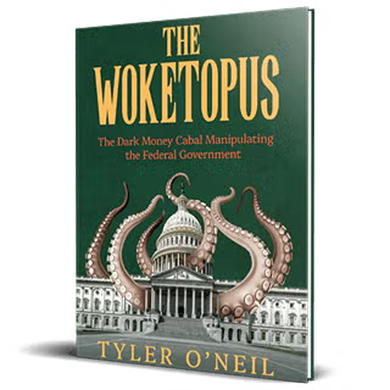
Read the first chapter of The Woketopus right now for FREE
Today, even with President Trump’s victory, leftist elites have their tentacles in every aspect of our government.
The Daily Signal’s own Tyler O’Neil exposes this leftist cabal in his new book, The Woketopus: The Dark Money Cabal Manipulating the Federal Government.
In this book, O’Neil reveals how the Left’s NGO apparatus pursues its woke agenda, maneuvering like an octopus by circumventing Congress and entrenching its interests in the federal government.
You can read the first chapter of this new book for FREE in this eBook, The Woketopus: Chapter One using the secure link below.

The Daily Signal depends on the support of readers like you.
RELATED ARTICLES





Don’t miss the

Don’t miss the signal
