How the Toxic Relationship Between Cartels and Chinese Money Launderers Costs American Investors
The king of cocaine wrote off an estimated $2.1 billion each year due to chunks of cash being eaten by rats (whether those “rats” were animals or people, the record is unclear). According to Pablo Escobar’s brother and accountant, Roberto, the cartel accumulated so much cash that it could hardly keep track of it. That write-off is nearly twice the $1.2 billion Bank of America now must pay for violating federal anti-money-laundering laws.
But the consequences of money laundering extend far beyond missing cartel cash or billion-dollar bank penalties. Few people are passionate about ones and zeroes, but most Americans care about human trafficking, fentanyl syndicates, gas prices, avocado farmers, and the future of the American dream. Money laundering enables criminal organizations to threaten the things Americans care about, while the resulting illicit financial activity can undermine legitimate American businesses.
When criminal enterprises are allowed to exploit free markets, public confidence in capitalism suffers, potentially making alternatives like socialism more appealing.
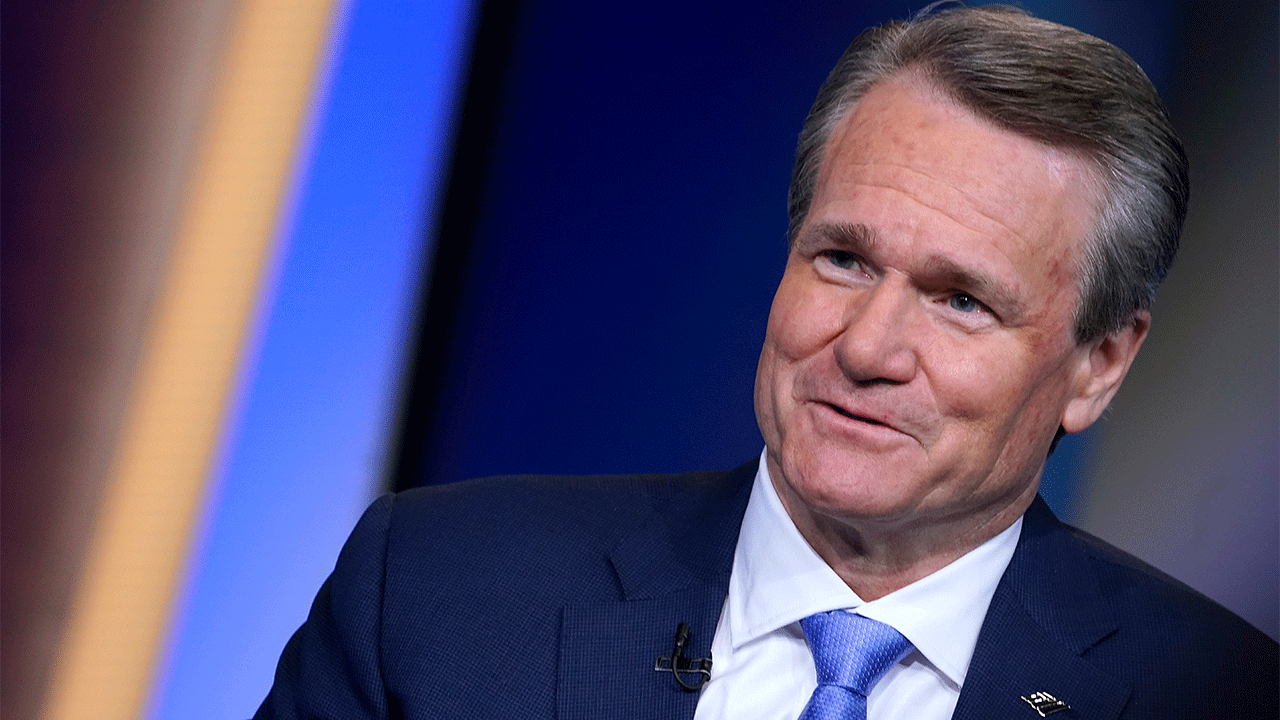
Bank of America’s stock promptly plummeted more than 8% after the news broke, issuing a stinging blow to shareholders who presumably expected that the company would not willfully violate the Bank Secrecy Act, fail to promptly report more than $5 billion in suspicious transactions, or leave itself vulnerable to potential illicit activity involving Mexican cartels and Chinese money-laundering networks (organizations so common that they have earned their own acronym within federal crime reports, CMLNs).
Bank of America is not the only bank facing scrutiny over its anti-money-laundering practices. Other financial institutions would be wise to ensure compliance with relevant Financial Crimes Enforcement Network (FinCEN) and Office of Foreign Assets Control (OFAC) requirements before finding themselves in a similar position.
The staggering sums of money involved are not shocking to anyone who knows the real numbers behind some of the most profitable criminal organizations on Earth.
TRENDING ARTICLES

U.S. government estimates have placed Mexican and Colombian drug cartels’ annual revenues as high as $39 billion from drug trafficking alone. The Sinaloa Cartel and Jalisco New Generation Cartel (CJNG) have collaborated with CMLNs since at least 2016. Mexican cartels need to launder their illicit American dollars, while Chinese nationals seeking to circumvent China’s currency restrictions need access to those same dollars. CMLNs marry the two.
International criminal organizations reportedly generate tens of billions in annual illicit proceeds, but money laundering is what allows those proceeds to sustain and expand their criminal operations. Money laundering often involves mixing illicit funds with legitimate income and moving the money through banks to disguise their criminal origins. Once the money appears legitimate, criminal organizations can use it to finance further operations without raising suspicion.
Although cartels and CMLNs are famously coy about their profits, publicly traded American financial institutions are not. Bank of America reported approximately $30.5 billion in net income in 2025. Its recent $1.21 billion penalty is equivalent to nearly 4% of its annual profits.
Major American banks have millions of shareholders, including ordinary Americans whose retirement savings are tied up in mutual funds and pensions. These institutions’ directors owe shareholders fiduciary duties, including a duty of oversight that requires them to make good-faith efforts to ensure adequate reporting systems are in place to detect and address serious compliance failures.
Why Should American Investors Care About Money Laundering?
Consider the industries that benefit when illicit profits are concealed from law enforcement and reinvested.
When banks turn a blind eye to suspicious financial activity, they risk giving some of the world’s most destructive criminal enterprises room to thrive:
- Human Trafficking
In 2024, FinCEN found that TD Bank’s inadequate monitoring of payment platforms, including Venmo and Zelle, prevented it from detecting and timely reporting activity indicative of human trafficking.
- Drug Trafficking
In 2012, HSBC agreed to pay approximately $1.9 billion after federal investigators uncovered the laundering of at least $881 million in drug trafficking proceeds, including money tied to the Sinaloa Cartel.
- Fuel Smuggling
Mexican cartels have expanded into the fuel business, stealing and smuggling petroleum products for enormous profits. FinCEN has warned that cartels use shell companies and American bank accounts to conceal payments associated with these schemes, with more than $7 billion in suspicious activity identified in the year following its 2025 alert.
- Avocado Farm Extortion
Mexican cartels have extorted avocado growers under threat of violence, turning an ordinary agricultural industry into another source of criminal revenue. In 2025, the Treasury Department sanctioned Luis Enrique Barragán Chávez, known as “Wicho,” for his involvement in avocado extortion in Michoacán, Mexico.
- Illicit Market Competition
Treasury’s 2026 National Money Laundering Risk Assessment warns that illicit finance crowds out legitimate businesses and undermines confidence in American free markets.
Shareholders Deserve Answers
In our capitalist system, corporate directors have fiduciary duties to act in shareholders’ best interests and pursue long-term shareholder value. Generating profits and delivering returns is precisely what investors expect them to do. But those profits must be earned within the bounds of the law, not at the expense of American investors or national security.
As international criminal networks become increasingly sophisticated at exploiting legitimate financial institutions, shareholders have every reason to demand greater transparency about their banks’ exposure to illicit activity. Boards should now be asking how Bank of America managed to overlook billions in suspicious transactions and whether their own institutions are vulnerable to similar failures.
Bank of America’s settlement illustrates just how expensive apparently inadequate oversight can become. And when financial institutions fail to take known risks seriously, ordinary shareholders are left dealing with the consequences.
Pablo Escobar could afford to lose billions to rats. Shareholders and citizens should not have to pay for their banks’ failure to keep dirty money out of the American financial system.
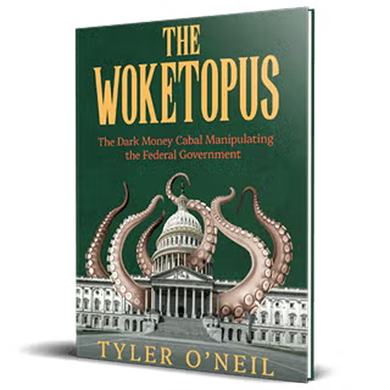
Read the first chapter of The Woketopus right now for FREE
Today, even with President Trump’s victory, leftist elites have their tentacles in every aspect of our government.
The Daily Signal’s own Tyler O’Neil exposes this leftist cabal in his new book, The Woketopus: The Dark Money Cabal Manipulating the Federal Government.
In this book, O’Neil reveals how the Left’s NGO apparatus pursues its woke agenda, maneuvering like an octopus by circumventing Congress and entrenching its interests in the federal government.
You can read the first chapter of this new book for FREE in this eBook, The Woketopus: Chapter One using the secure link below.


The Daily Signal depends on the support of readers like you.
RELATED ARTICLES



Don’t miss the

Don’t miss the signal