The Iran conflict has delivered an uncomfortable reminder that energy is not an environmental talking point but a matter of national survival. Nations without reliable, affordable energy do not just struggle economically. They become vulnerable.
Yet even as missiles fly and shipping lanes tighten, the green energy chorus is back at the microphone, insisting this is finally the moment the world abandons fossil fuels for wind turbines and solar panels. Some lessons, apparently, are harder to learn than others.
Today, fossil fuels supply more than 86% of the world’s primary energy. After decades of aggressive renewable investments, green mandates, subsidies, and relentless political pressure, the needle has barely moved.
Physics and economics have been delivering a message for years that policymakers keep refusing to read.
Wind and solar energy’s core problem is reliability; they produce energy only when conditions cooperate. The wind doesn’t blow on command. The sun often sets before peak demand.
Every megawatt of wind or solar added to the grid requires reliable natural gas, coal, or nuclear backup standing ready. We are not replacing one energy system (which would be expensive enough). We are building two.
TRENDING ARTICLES



Ratepayers pay for both. That is why electricity bills rise wherever renewable mandates expand aggressively. Just like adding a weather-dependent, part-time car to your home car fleet, your car costs just went up; the more part-time cars you add, the more your car expenses go up.
The battery storage solution sounds elegant until you price it out. Backing up even a fraction of America’s grid would cost hundreds of billions annually, for decades.
The minerals required, like lithium, cobalt, nickel, copper, and rare-earth metals, do not exist in sufficient domestic or worldwide supply, and roughly 80% of solar panels and the majority of wind components are manufactured in China—in factories powered by Chinese coal. China uses more than half of the nearly 9 billion tons of coal used worldwide each year, and is building hundreds of coal plants, which last more than 40 years.
We would be trading American energy independence for Chinese energy dependency and calling it a climate victory. That is hardly a transition. It is rather a surrender, just with better branding. We would be surrendering our energy independence to our biggest economic and military rival. Communist China is a proven bully on the international stage, willing to use any leverage it has to accomplish what it wants.
We do not have to guess at the outcomes. Europe is running this disastrous experiment for us, and the results are in: Germany, the U.K., and Denmark have electricity rates nearly triple what American families pay. Germany pays roughly 35 to 40 cents per kilowatt-hour, and Denmark tops 40 cents. Meanwhile, Americans average around 15 cents.
That gap ripples through every manufactured product, service delivered, and paycheck earned. High energy costs leave less in every household budget for other priorities that cost more because of higher energy costs, carbon taxes, and climate regulations.
The human cost is real and mounting. Germany’s legendary industrial base of steel, chemicals, and automobiles is contracting, shedding a quarter million jobs. Manufacturers have relocated or shuttered rather than absorb energy costs that make production economically irrational.
The U.K. has watched its steel industry collapse. Across Europe, working families are spending a larger share of their incomes keeping the lights on and the heat running, leaving less for everything else. This is what energy poverty looks like in wealthy nations. It is a policy choice with predictable consequences.
Wind turbines also wear out after 20-25 years, and solar panels degrade after 25-30. They are not permanent solutions—they are expensive, requiring perpetual replacement. And it’s billed to ratepayers, all while demanding ten times more land than conventional power plants for unreliable output.
America’s energy record is genuinely strong. Air and water quality have improved dramatically over the last 50 years even as energy use has grown. Market-driven efficiency did more for the environment than mandates ever managed. Nuclear power deserves serious reconsideration.
Honest energy policy requires honest accounting. The transition being promised to American families is expensive, unnecessary, and degrades national security that the Iran conflict makes impossible to ignore.
Reliable, affordable energy is the foundation of every family’s budget, every factory’s survival, and every nation’s ability to defend itself.
Europe tried it first and is paying for it now. The question is whether Americans are paying attention.
We publish a variety of perspectives. Nothing written here is to be construed as representing the views of The Daily Signal.
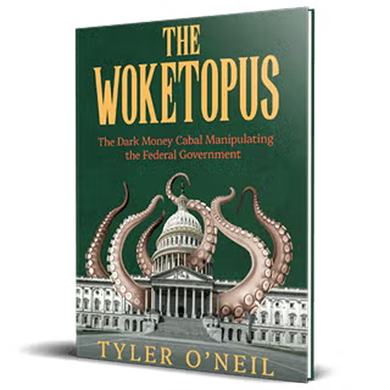
Read the first chapter of The Woketopus right now for FREE
Today, even with President Trump’s victory, leftist elites have their tentacles in every aspect of our government.
The Daily Signal’s own Tyler O’Neil exposes this leftist cabal in his new book, The Woketopus: The Dark Money Cabal Manipulating the Federal Government.
In this book, O’Neil reveals how the Left’s NGO apparatus pursues its woke agenda, maneuvering like an octopus by circumventing Congress and entrenching its interests in the federal government.
You can read the first chapter of this new book for FREE in this eBook, The Woketopus: Chapter One using the secure link below.
TRENDING ARTICLES


The Daily Signal depends on the support of readers like you.
RELATED ARTICLES





Don’t miss the

Don’t miss the signal