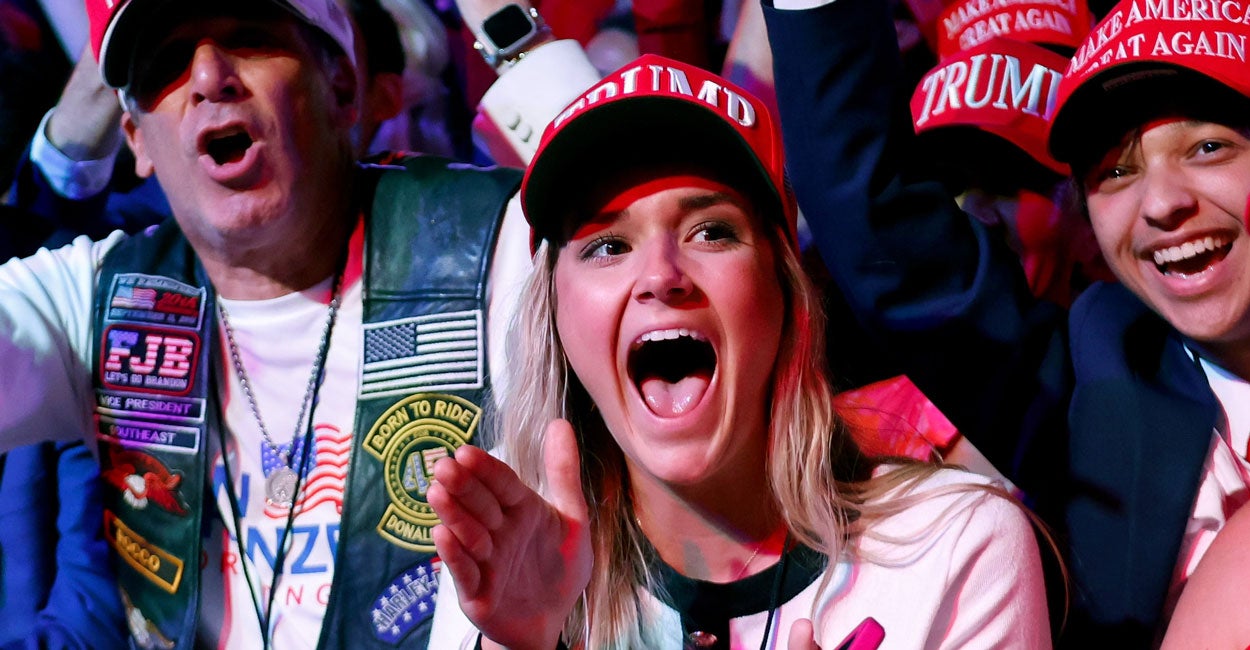
President-elect Donald Trump made huge inroads with young voters this past election cycle. Fifty-six percent of young men aged 18-29 voted for Trump this year, a major flip from 2020 when 56% of them voted for Joe Biden. Trump also made inroads with young women, who shifted 11 points toward him compared to four years ago.
While Vice President Kamala Harris ultimately won the majority of voters under 30, she won them by just six points, a quarter of the 24 percentage points Biden had from them four years prior. What can explain this massive shift in support among the youth vote from Democrats to Republicans?
Prices are 20% higher now than when Biden first took office and young people are struggling to build wealth due to the burden of everyday expenses. As inflation continues to outpace wage growth and housing costs skyrocket, it’s no surprise that the economy was the No. 1 issue for young voters this election cycle. Forty percent of voters under 30 polled by The Associated Press chose the economy as their reason for voting. And they weren’t convinced Harris—or the Democrats—could fix it.
“The affordability crisis is particularly biting to younger Americans trying to get their foothold in the economy,” Matt Carpenter, director of FRC Action told The Washington Stand. “As they entered the work force, they were met with rising home and grocery prices. This certainly paid a huge factor in their rightward shift.”
Besides the economy, younger voters also saw the Republican ticket as the authentic ticket. This perception is in large part due to the Trump campaign’s strategy to reach younger voters online. Whether it was Trump creating a TikTok account or appearing on some of the top podcasts in the country like Joe Rogan or Theo Von, the campaign effectively won over low-propensity, young male voters by talking to them at their level.
In a recent interview with The New York Times, several young people talked about why they opted for Trump over Harris.
TRENDING ARTICLES



“Trump enthusiastically said yes to a three-hour, open, honest conversation with Joe Rogan, who was a former Bernie bro,” a 22-year-old voter named Jack told the paper. “I think it’s very telling about which candidate is authentic and which candidate is not.”
Young voters could see through Harris’ contrived media appearances and rehearsed stump speeches. Even when she tried to mirror Trump by appearing on the left-leaning “Call Her Daddy” podcast, she appeared fake and out-of-touch with the issues voters cared about, whereas Trump increased his likeability by having genuine conversations with middle-of-the-road podcasters and influencers.
Young voters also liked how normal and genuine Vice President-elect and Ohio Sen. JD Vance appeared in media interviews and podcasts. “I was so impressed by JD Vance, the way he carried himself and how normal he appeared,” a 25-year-old woman named McLane told the Times.
While the Harris campaign was hoping to capitalize on “vibes” this election cycle, whether it was through the “brat” meme over the summer or the legacy media-backed “joy” campaign, ironically, Trump was the one who won the vibe check.
Whether it was posing as a McDonald’s employee or driving a garbage truck, Trump signaled that he cared about the average American voter and brought dignity to their jobs and concerns about the economy. This gave his campaign an authenticity that young voters recognized.
“She was just running a vibes campaign,” Brilyn Hollyhand, chair of the Republican National Committee’s Youth Advisory Council told The Hill. “With our posts, we would back that up with explaining detailed policies, because that’s something that her side wasn’t doing. Clearly, youth voters paid attention to policies and decided to not go with vibes but with the guy that actually has policies.”
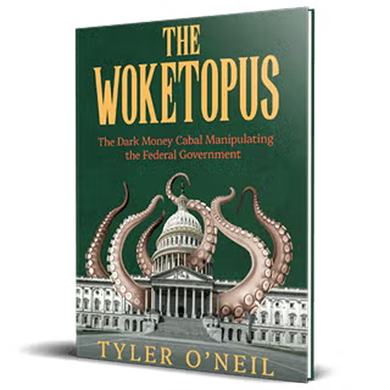
Read the first chapter of The Woketopus right now for FREE
Today, even with President Trump’s victory, leftist elites have their tentacles in every aspect of our government.
The Daily Signal’s own Tyler O’Neil exposes this leftist cabal in his new book, The Woketopus: The Dark Money Cabal Manipulating the Federal Government.
In this book, O’Neil reveals how the Left’s NGO apparatus pursues its woke agenda, maneuvering like an octopus by circumventing Congress and entrenching its interests in the federal government.
You can read the first chapter of this new book for FREE in this eBook, The Woketopus: Chapter One using the secure link below.
TRENDING ARTICLES


The Daily Signal depends on the support of readers like you.
RELATED ARTICLES




Don’t miss the

Don’t miss the signal