
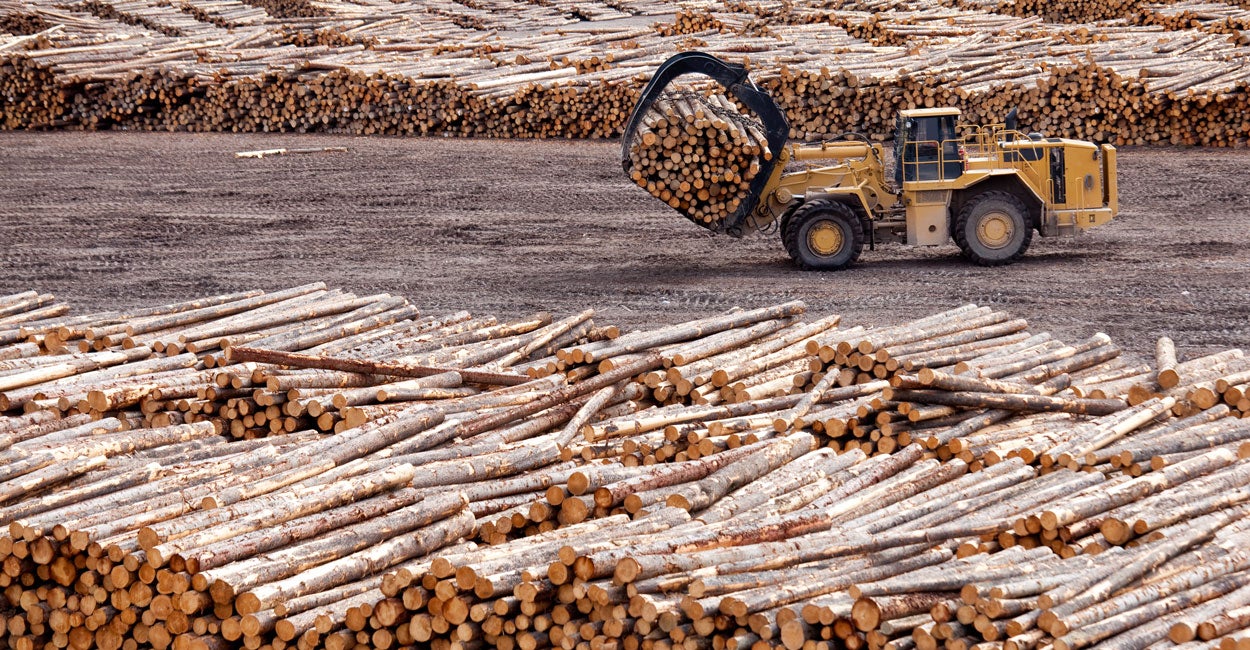
Despite lumber prices soaring to a record high of $1,670.50 per thousand board feet, and the housing market booming at a 17.2% price increase from April 2020, the U.S. Commerce Department, rather than helping, plans to impose further burdens on U.S. consumers through increased taxes on imported softwood lumber.
On Friday, the Department of Commerce announced its proposal to more than double tariffs on Canadian softwood lumber to 18.32%, from 8.99%. This dramatic increase, while not yet in effect, creates uncertainty and fear, while simultaneously undermining economic prospects for both the United States and Canada as these countries attempt to recover from the COVID-19 pandemic.
So, what exactly does this proposed tariff mean for both U.S. consumers and producers? To put it clearly and in the words of Mary Ng, Canadian minister of small business, export promotion, and international trade:
U.S. duties on Canadian softwood lumber products are a tax on the American people. They make housing less affordable for Americans and hinder economic recovery from the COVID-19 pandemic.
Surprisingly, this past year, the ongoing pandemic has triggered construction and increased the demand for houses, resulting in a steep rise in the demand for lumber and wood products—significantly outweighing its supply.
One solution to alleviating this strain on the lumber market would have been to allow more free trade with our northern neighbor. Knocking down any barriers to trade such as a tariff would, in effect, decrease the price of softwood lumber to its more accurate equilibrium price.
TRENDING ARTICLES



The international and global supply of lumber would effectively meet the domestic demand. Not only does free trade between countries mean lower prices of goods, but also, free trade leads to greater political stability, higher average national income per capita, and healthier environments.
Instead, the Biden administration is planning on imposing a large tariff increase that will “further exacerbate the nation’s housing affordability crisis, put even more upward pressure on the price of lumber, and force millions of U.S. homebuyers and lumber consumers to foot the bill for this ill-conceived protectionist action,” said Chuck Fowke, chairman of the National Association of Home Builders.
Not surprisingly, Jason Brochu, co-chair of the U.S. Lumber Coalition and president of the Pleasant River Lumber Co., applauded the tariff as a way of leveling the “playing field … for continued investment and growth for U.S. lumber manufacturing.”
Typically, special-interest groups who benefit from tariffs—in this case domestic lumber plants—strongly advocate protectionist policies that allow them to charge higher prices for their products by throttling their competition. A few companies may benefit, but Americans at large will foot the bill.
Have an opinion about this article? To sound off, please email [email protected] and we’ll consider publishing your edited remarks in our regular “We Hear You” feature. Remember to include the URL or headline of the article plus your name and town and/or state.

Read the first chapter of The Woketopus right now for FREE
Today, even with President Trump’s victory, leftist elites have their tentacles in every aspect of our government.
The Daily Signal’s own Tyler O’Neil exposes this leftist cabal in his new book, The Woketopus: The Dark Money Cabal Manipulating the Federal Government.
In this book, O’Neil reveals how the Left’s NGO apparatus pursues its woke agenda, maneuvering like an octopus by circumventing Congress and entrenching its interests in the federal government.
You can read the first chapter of this new book for FREE in this eBook, The Woketopus: Chapter One using the secure link below.
TRENDING ARTICLES


The Daily Signal depends on the support of readers like you.
RELATED ARTICLES




Don’t miss the

Don’t miss the signal