
To Be Effective Against Terrorist Propaganda, US Broadcasting Needs Reform
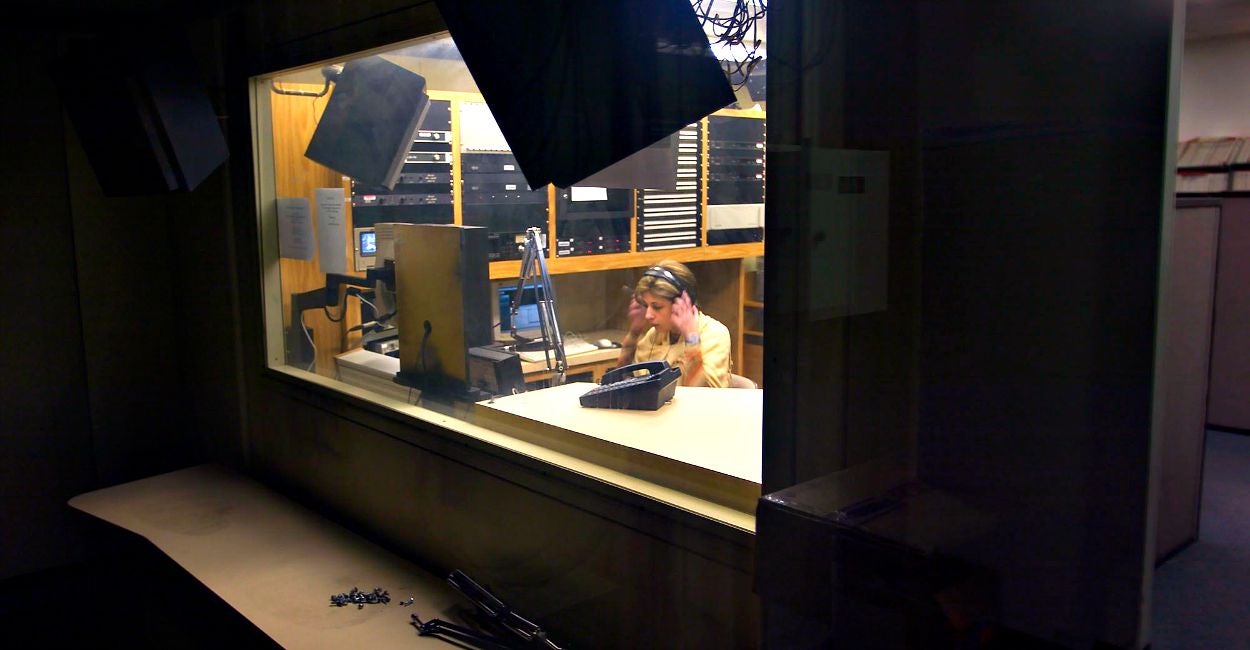
The strategic importance of countering the aggressive recruitment and propaganda campaigns of the Islamic State (ISIS) is indisputable, but can the U.S. government get its act together?
The Broadcasting Board of Governors, which is the independent government agency that oversees several of the main U.S. assets in this fight, including the Voice of America, recently named its second CEO to head the agency. (The former CEO, Andrew Lack, lasted less than two months in the job.)
The new broadcasting head, John Lansing, is a media executive from Scribbs Networks Interactive and a professional with extensive credentials in television. Unfortunately, he brings with him zero experience in foreign policy, government office, or public service.
In other words, Lansing will have a steep learning curve when he takes office. He will also need to bring his own top management team in, or his tenure will be a repeat of past agency failures.
Congressional efforts to reform the Broadcasting Board of Governors and its assets are a reminder that U.S. International Broadcasting’s shortcomings have long been evident and questioned by members of both parties.
This spring, the second iteration of broadcasting reform, The U.S. International Communications Reform Act of 2015, passed the House Foreign Relations committee unanimously.
TRENDING ARTICLES



Similar legislation is being worked on in the Senate but is as yet in the drafting stage.
Among the issues Lansing needs to address:
1. Clarify the missions of the broadcasters.
Many staff resent their role as a strategic element of U.S. soft-power strategy, particularly at Voice of America, where a focus desk has been created to counter extremism. This came after Under Secretary for Public Diplomacy Rick Stengel called to intensify U.S. efforts in the battle with ISIS and other terrorist propagandists.
Staff in Voice of America’s English newsroom have, however, vehemently and unreasonably rejected the idea that this can be part of their mission.
2. Reverse the long-running trend away from radio.
Radio remains the single most effective way of reaching mass audiences. Lansing told the New York Times on his nomination that the future lies with television and Internet, yet even in the United States, where Internet connectivity is high, AM/FM radio continues to outperform both. For instance, according to new studies by Nielsen, Edison Research, and Advertiser Perceptions, audiences for AM/FM radio are far stronger than streaming radio, even among millennials. Yet, at the Broadcasting Board of Governors, radio is consistently referred to as a “legacy” medium, meaning an inconvenient anachronism.
3. Cut bureaucracy.
The bureaucracy needs to be cut, and the number of producers, reporters, and broadcast technicians (who actually create content) should be increased.
This should not be accomplished, however, by hiring more contractors, since in the past, contractors for a large part have staffed the languages services and have often been under highly unfavorable employment conditions. This has contributed to the culture of dysfunction in U.S. broadcasting.
We are at a critical juncture in U.S. public diplomacy and need all available tools in the U.S. toolbox in working order.


Read the first chapter of The Woketopus right now for FREE
Today, even with President Trump’s victory, leftist elites have their tentacles in every aspect of our government.
The Daily Signal’s own Tyler O’Neil exposes this leftist cabal in his new book, The Woketopus: The Dark Money Cabal Manipulating the Federal Government.
In this book, O’Neil reveals how the Left’s NGO apparatus pursues its woke agenda, maneuvering like an octopus by circumventing Congress and entrenching its interests in the federal government.
You can read the first chapter of this new book for FREE in this eBook, The Woketopus: Chapter One using the secure link below.


The Daily Signal depends on the support of readers like you.
RELATED ARTICLES





Don’t miss the

Don’t miss the signal