
As US Senate Struggles, These States Are Enacting Their Own Versions of the SAVE Act
Seven states enacted laws in 2025 and 2026 that include key provisions of the SAVE America Act, an election integrity measure that the Senate has failed to pass despite President Donald Trump’s insistence.
The federal SAVE America Act would require documentary proof of U.S. citizenship to register to vote in federal elections and photo ID when casting federal ballots. SAVE is an acronym for the Safeguard American Voter Eligibility Act; the bill has passed the House multiple times but stalled in the Senate.
In addition to the seven states with new mandates for both proof of citizenship and voter ID in elections, five states previously enacted laws requiring documentary proof of U.S. citizenship for voter registration, according to Ballotpedia.
However, a 2013 Supreme Court ruling limited states’ ability under the National Voter Registration Act to demand proof of citizenship for voting in federal elections. The NVRA is better known as the “motor voter law” because it set up most voter registration at state Department of Motor Vehicle offices.
Here are the states that passed versions of the SAVE America Act.
1. Thune’s Home State
While Senate Majority Leader John Thune, R-S.D., has had difficulty corralling his caucus to support the SAVE America Act, his home state’s Legislature passed the South Dakota SAVE Act.
TRENDING ARTICLES



Gov. Larry Rhoden signed Senate Bill 175 in March, requiring an individual registering to vote to provide documentary proof of U.S. citizenship. Acceptable documents include certain driver’s licenses and identification cards, tribal identification, birth certificates, passports, consular reports of birth abroad, and naturalization certificates.
2. Saving Kansas From Democrat Veto
In 2011, Kansas enacted a law requiring proof of citizenship for voter registration. However, a federal appeals court ruled that requiring additional documentation to register for federal elections violated the National Voter Registration Act.
In 2026, Kansas adopted a new measure known as the SAVE Kansas Act, which requires the secretary of state to compare the state’s voter registration list with the federal Systematic Alien Verification for Entitlements, or SAVE, database to clear its lists of ineligible voters.
Democratic Gov. Laura Kelly vetoed the bill, but the Republican-controlled state Legislature overrode her veto.
3. Sunshine for SAVE Act in Florida
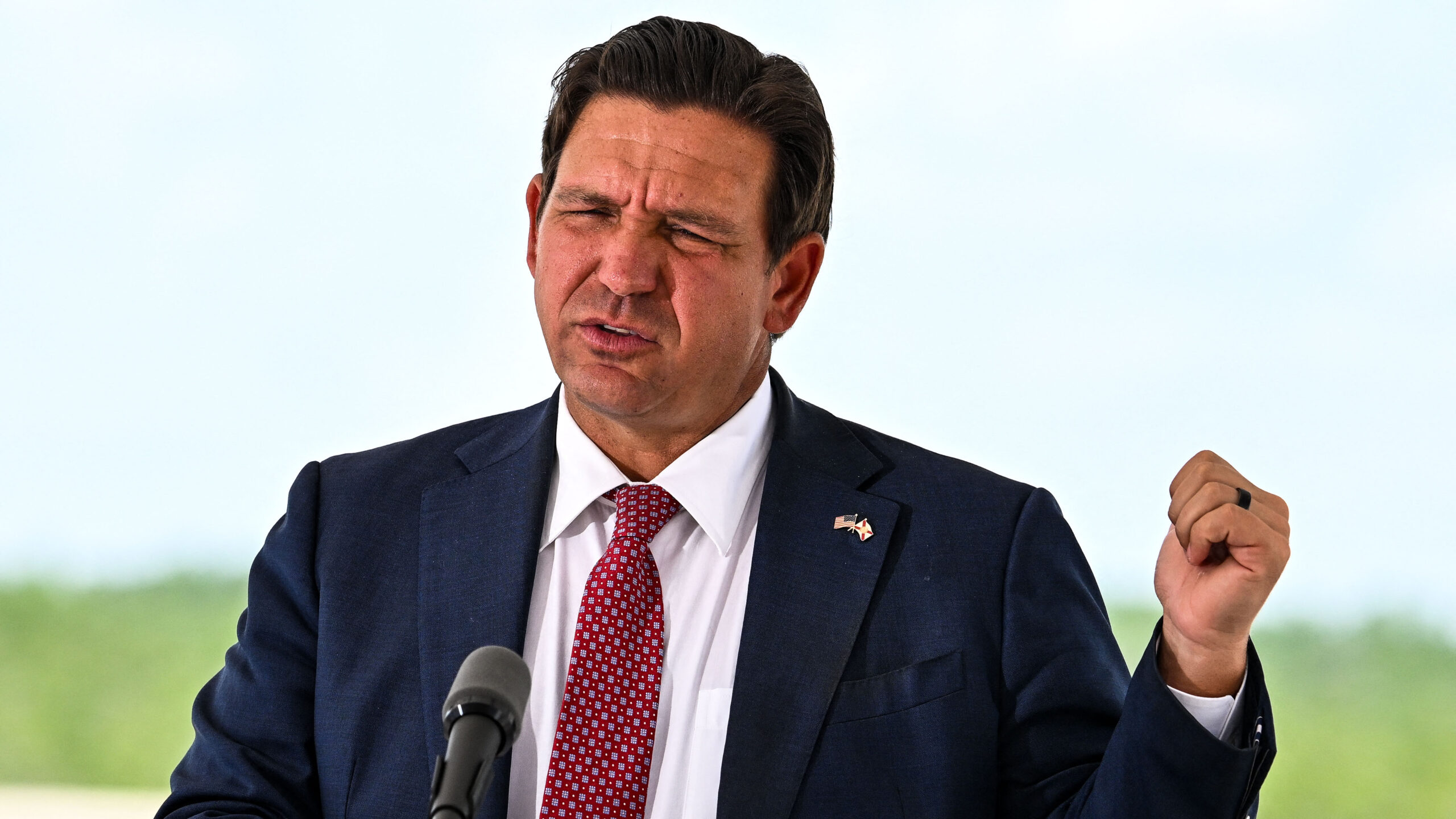
Republican Gov. Ron DeSantis signed the Florida SAVE Act in April, and the law takes effect in 2027. The act requires the state to check the citizenship status of new and updated voter registrants against Department of Highway Safety and Motor Vehicles records. If citizenship cannot be verified, the voter can be required to provide documentary proof of citizenship, including a birth certificate, passport, or naturalization document.
Florida’s law also requires election officials to verify citizenship using available state and federal government sources when necessary and establishes procedures for removing voters determined to be ineligible.
4. Mississippi SHIELD
Mississippi enacted Senate Bill 2588, known as the SHIELD Act, requiring election registrars to compare voter registration information against state driver’s license and identification records and, when necessary, the federal SAVE database. Applicants flagged as potential noncitizens can be required to provide proof of citizenship. The law took effect July 1, 2026.
Mississippi’s law also requires the secretary of state to conduct an annual comparison of the statewide voter registration system with the SAVE database.
5. Utah Citizenship Proof
Republican Utah Gov. Spencer Cox signed HB 209, which allows voters who have provided documentary proof of citizenship to cast a standard ballot; voters who have not provided such documentation may vote only in federal races.
The law also authorizes election officials to use the federal SAVE database to determine whether registered voters are U.S. citizens.
6. Ohio Transportation
Ohio’s 2025 law, part of a transportation bill, required proof of citizenship only when registering to vote at the state’s Bureau of Motor Vehicles.
The legislation nevertheless received criticism and was the subject of litigation.
7. GOP Clash in Wyoming
Wyoming enacted a proof-of-citizenship mandate in 2025 that also included a 30-day residency requirement to register to vote. Republican Gov. Mark Gordon supported parts of the legislation while questioning the 30-day requirement, but he let the bill become law without his signature.
Other States
Other states enacted laws addressing documentary proof of citizenship before 2026, according to the National Conference of State Legislatures.
In Arizona, voters approved Proposition 200 in 2004, requiring evidence of citizenship for voter registration.
Georgia, a key battleground state, required proof of citizenship in a 2010 law.
Alabama enacted such a requirement in 2011, while Louisiana and New Hampshire enacted versions of the law in 2024. However, these states have yet to implement these proof of citizenship requirements based on various legal and procedural challenges, according to Ballotpedia.
Despite limiting states’ ability to police noncitizens voting in federal elections, the Supreme Court’s 2013 ruling still gives states flexibility in verifying citizenship. That in turn could help them maintain their voter rolls, said Cleta Mitchell, an election lawyer and co-founder of the Only Citizens Vote Coalition. She noted New Jersey and numerous other states recently were found to have thousands of noncitizens on voter rolls.
“States always say it was just a glitch,” Mitchell told the Daily Signal. “Even people at a DMV who check the box to say they are noncitizens still frequently get asked to register to vote. … States could, today, require the DMV confirm citizenship status before providing. There is nothing in the high court ruling that would prevent that.”
States should still enact election integrity measures now with the future in mind, said Jason Snead, executive director of the Honest Elections Project.
“Even if the SAVE America Act is passed by Congress, no law is permanent. It could be undone by a future Democratic president and Democrat majority in Congress could reverse it,” Snead told the Daily Signal. “That’s why states should act now. States should pass election protections now as if they expect a President Alexandria Ocasio-Cortez and a leftwing majority in Congress.”

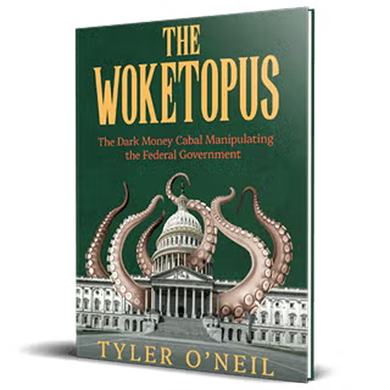
Read the first chapter of The Woketopus right now for FREE
Today, even with President Trump’s victory, leftist elites have their tentacles in every aspect of our government.
The Daily Signal’s own Tyler O’Neil exposes this leftist cabal in his new book, The Woketopus: The Dark Money Cabal Manipulating the Federal Government.
In this book, O’Neil reveals how the Left’s NGO apparatus pursues its woke agenda, maneuvering like an octopus by circumventing Congress and entrenching its interests in the federal government.
You can read the first chapter of this new book for FREE in this eBook, The Woketopus: Chapter One using the secure link below.


The Daily Signal depends on the support of readers like you.
RELATED ARTICLES




Don’t miss the

Don’t miss the signal