

























One of the largest proposed mergers in business history will have to wait a little longer.
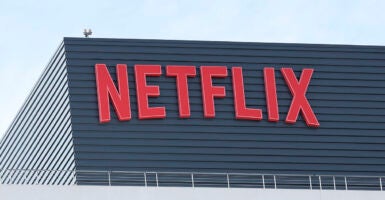
Netflix, which is trying to acquire Warner Bros. Discovery recently granted WBD a seven-day pause so it can explore another offer from Paramount Skydance.
Cue a sigh of relief from many who are worried that purchasing Warner Bros. would make Netflix—the nation’s top streaming service—too big. The proposed deal is worth about $83 billion and would see Netflix, already a streaming giant, take ownership of everything from Batman to “Game of Thrones” to fellow streamer Max.
The proposed Netflix-WBD acquisition has sent shockwaves through Hollywood.
Most mega-mergers have involved content producers combining forces, such as when Warner Bros. and Discovery joined up in 2022. But Netflix, though it has some of its own content—think “House of Cards” and “Stranger Things”—is primarily relied upon as a streaming platform, with more than 88 million subscribers in the U.S., ahead of Amazon Prime, Hulu, and other contenders.
Warner Bros., meanwhile, is one of the top entertainment production companies in the world, ranking up there with Disney. Merging it with Netflix wouldn’t just make the latter company huge; it would stack both the production and streaming of so much media in the same place, making everyone answer to the same set of executives and shareholders.
When monopolistic behavior sees one company gain a corner in the marketplace, competition gets squashed and the average American suffers most.
We have seen this with everything from life-saving drugs to airlines to internet providers. The results are too often higher prices and inferior services thanks to one corporation with few to no competitors holding all the cards.
It’s happened in the world of entertainment too.
As small, independent film producers scratch out an existence with crowd-funded productions and shoe-leather marketing techniques, megamerger after megamerger continues to shrink content choices, restricting them to those with the most mass appeal and in the biggest demand.
So, it shouldn’t be surprising that some are balking at the Netflix-Warner Bros. merger.
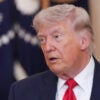
When the deal was first announced, President Donald Trump said it “could be a problem” because it would create an enormous market share for Netflix. Later, the president said he would be watching to “see what percentage of market they have.”
Sen. Chuck Grassley, R-Iowa, who chairs the Senate Judiciary Committee, warned, “Control of both a large platform and a deep library of films and shows can affect the bargaining power across the industry… I encourage our antitrust regulators to carefully scrutinize this transaction to ensure that competition is not undermined and to make sure that consumers are protected.”
Many Democrats are skeptical too, with one Democrat senator releasing a statement calling the Netflix-Warner Bros. deal an “anti-monopoly nightmare” and asking the Justice Department to “enforce our nation’s anti-monopoly laws fairly and transparently.”
Some Warner Bros. shareholders have also wondered whether the deal is in their best interest, with one cautioning that “the WBD Board opted to rush into a flawed deal with Netflix rather than earnestly pursue a superior offer from Paramount—in line with the directors’ fiduciary duties.”
A recent Reuters headline hints that this division runs deep: “Some of Warner Bros’ biggest investors are split on Paramount offer.” Such shareholder skepticism is reportedly why Warner Bros. decided to entertain a bid from Paramount-Skydance in the first place, according to CNBC.
When this much of the universe is lining up against you, it would be wise to ask why. Warner Bros. owes its customers this much as they now deliberate over which corporation to join up with.
We live in a changing world, including when it comes to how we watch movies and TV. The good, old-fashioned movie theater is shutting its doors as more and more of us stream content from home.
Yet whether you like or dislike these changes, most of us agree that concentrating too much of this new economic power under a single corporate entity isn’t a good idea. We’ve seen that happen before and it never turns out well. Warner Bros. should consider this during its weeklong pause. The company’s many iconic entertainment properties deserve to end up in good hands.
We publish a variety of perspectives. Nothing written here is to be construed as representing the views of The Daily Signal.

