























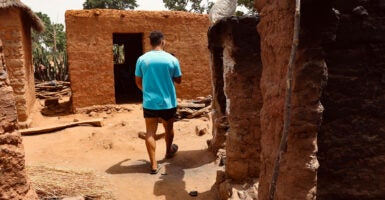
Alex Barbir arrived to smoke rising from burned homes in the Nigerian village of Zike. More than 50 Christians were killed in an attack on the community the night before.
“As soon as we were driving into the village … you can feel the tension of the atmosphere,” Barbir said.
Fulani militants are reported to have been behind the attack on the Zike community in North-Central Nigeria in April 2025. The scene, according to Barbir, was like nothing he had ever witnessed, with “a mass grave of 50 or 60 people just thrown in the dirt in a hole.”
These places of devastation, of persecution, are the exact locations Barbir runs toward.
As the founder of Building Zion, 28-year-old Barbir seeks out the places “in the fire” where others “really just don’t go.” He brings a message of hope through the Gospel of Jesus Christ, rebuilds homes and churches that have been destroyed, or even builds new schools for communities.
One week after first visiting Zike, Barbir returned with supplies to rebuild about 18 of the homes and structures that were destroyed in the attack.
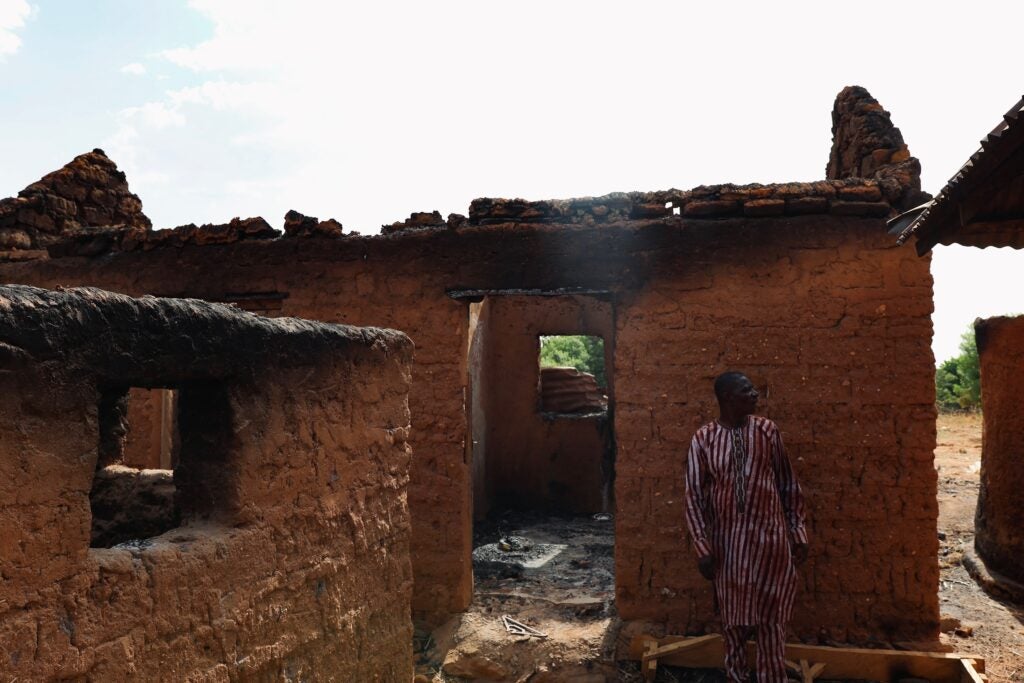
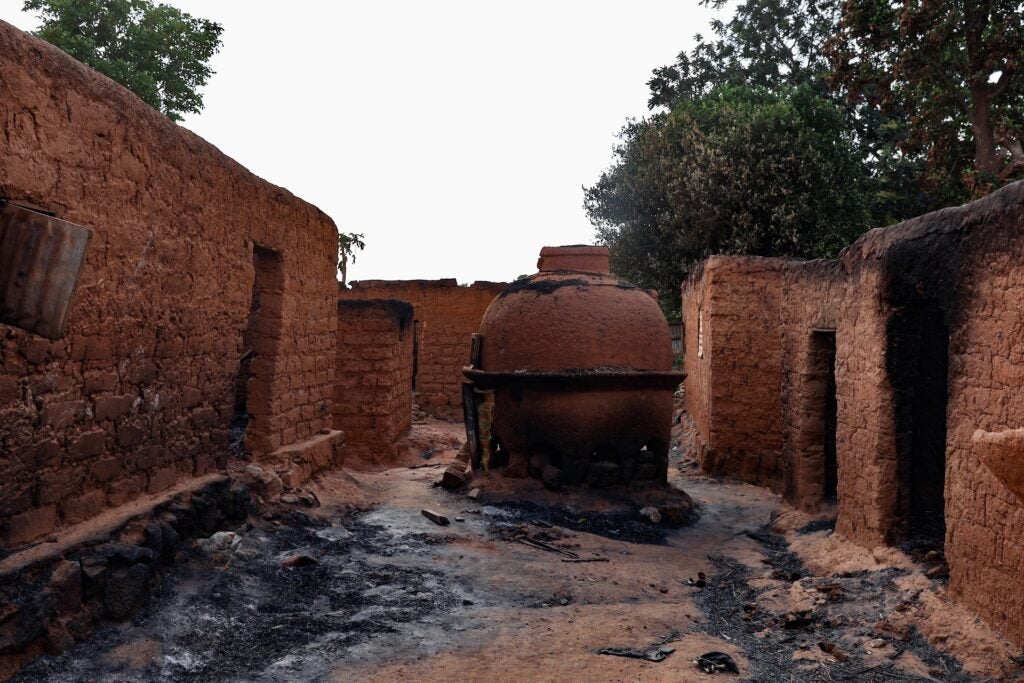
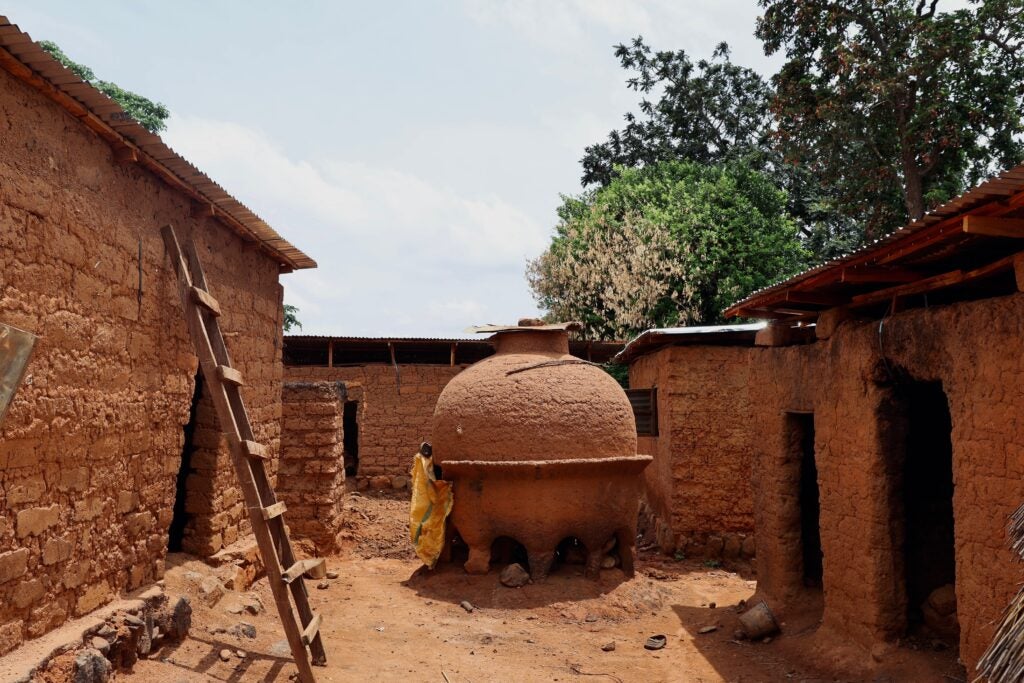
Building a home from the ground up in Nigeria costs about $1,200 to $1,300, according to Barbir.
It is estimated that more than 50,000 Christians have been killed in Nigeria since 2009, and about 7,000 during the first half of 2025 alone.
Boko Haram and the Islamic State have historically carried out many of the attacks on Christians, but more recently, Fulani militias, an ethnic group in Northern Nigeria, have also begun attacking Christian communities in the African nation.
The scale of the persecution and genocide has drawn international attention, leading President Donald Trump to designate Nigeria a Country of Particular Concern last year.
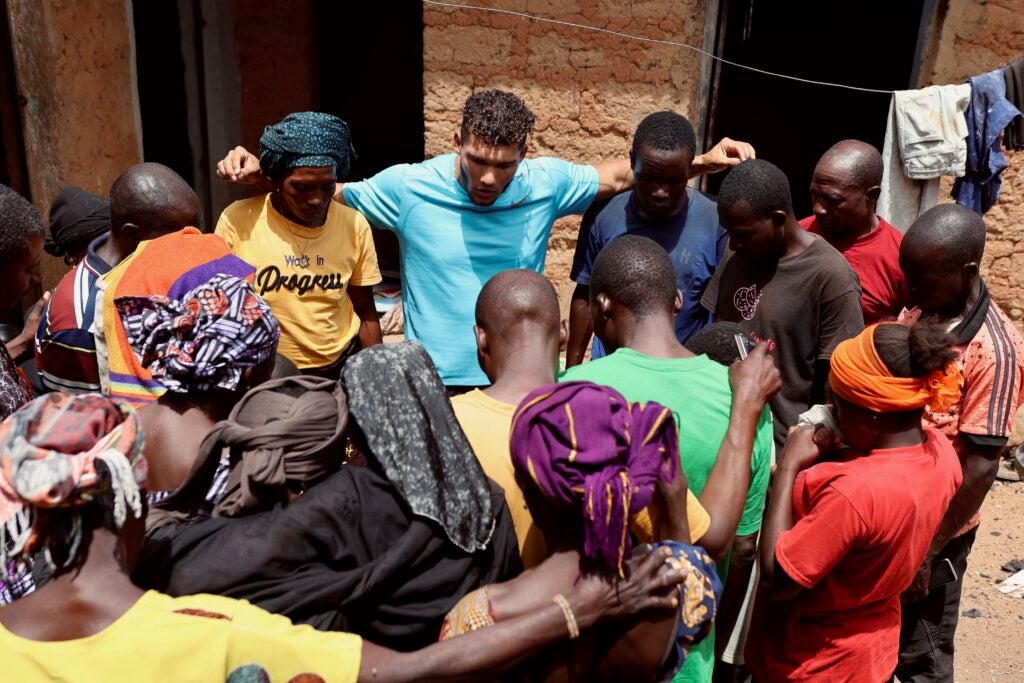
Barbir, a Georgia native and graduate of Liberty University, had a desire to serve the Lord and others through mission work since his time in college. He figured it would be something he did later in life when finances and plans were more “put together.” But, feeling challenged to take a leap of faith, he founded the ministry in 2023.
“The primary mission is, one, to reach the unreached with the Gospel, but two, to be able to bring hope to the persecuted church, and we specifically use construction to do that,” he explained.
Since launching, Barbir has worked in about half a dozen nations, including Sudan, Burundi, and the Democratic Republic of the Congo. And despite not having a construction background, Building Zion constructed about 70 homes in 2025.
“I kind of just learned along the way,” the ministry founder said, adding that he works alongside local residents on each project.
Barbir has already returned to Nigeria this year, where multiple projects to build schools and churches are underway. He plans to travel to Burma and Sudan later this year while also overseeing building projects in the Democratic Republic of the Congo.
The work of Building Zion, a name meant to depict the organization’s Biblical foundation and practical approach to serving others, is supported through donations from individuals and churches.
For anyone who would consider supporting the work of Building Zion, Barbir asked that they pray for the work of the ministry, consider giving a financial gift to support the building projects, or even join the group in the field as they construct buildings and minister to persecuted Christians or those who have never heard the name of Jesus.

