


Opposition from the left is mounting against President Donald Trump’s mail-in ballot executive order, with two potential 2028 Democrat presidential candidates filing legal challenges before Democrat-appointed federal judges.
At least five lawsuits, all filed in federal district courts for the District of Columbia and Massachusetts, aim to block the executive order that directs the Department of Homeland Security to create a federal citizenship list and directs the U.S. Postal Service to mail ballots to citizens on that list.
Trump signed Executive Order 14399, “Ensuring Citizenship Verification and Integrity in Federal Elections” on March 31.
“President Trump is taking decisive action to prevent noncitizens from voting in federal elections and to protect the security of mail-in and absentee ballots,” a White House press release said.
Plaintiffs contend that only states and Congress set rules for elections, not the executive branch.
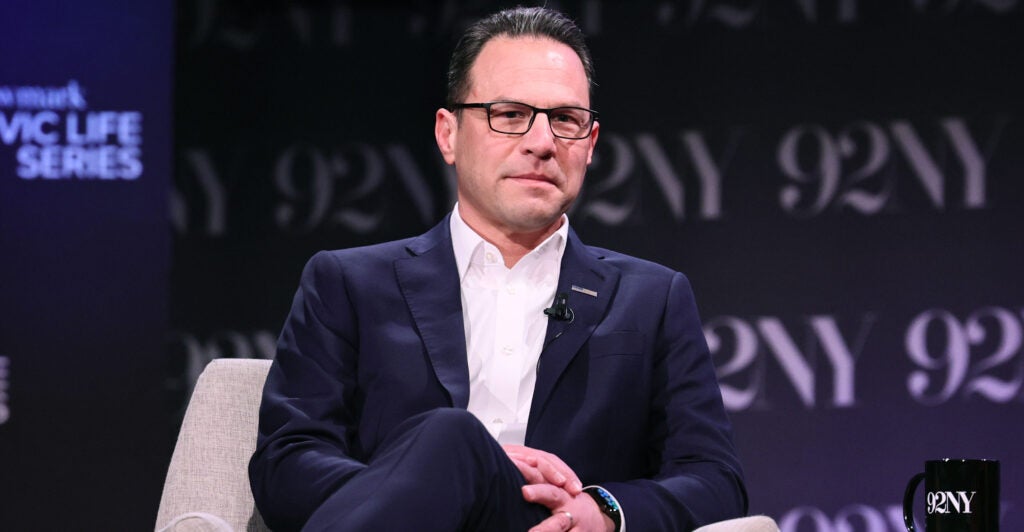
In that brief time, 22 Democrat state attorneys general, joined by Pennsylvania Democrat Gov. Josh Shapiro, filed one federal challenge in Massachusetts, while the Democratic National Committee, along with other party leaders, sued in D.C. Other private organizations have filed separate lawsuits.
Judges appointed to all five cases were appointed by Democrat presidents, according to Court Listener, a website that tracks federal court data.
Shapiro is a potential 2028 Democrat presidential candidate, as is Kentucky Gov. Andy Beshear, named as a plaintiff in the DNC lawsuit based on his role as chairman of the Democratic Governors Association. The DNC case was assigned to U.S. District Judge Colleen Kollar-Kotelly, an appointee of Bill Clinton.
The states’ lawsuit has been assigned to Chief U.S. District Judge Denise Jefferson Casper, a Barack Obama appointee.
In a separate complaint filed on Friday in the District of Columbia, the NAACP, a left-leaning civil rights group, joined Common Cause, a left-leaning watchdog organization, and the Black Voters Matter Fund, a political advocacy group, to challenge the order.
“Americans in every corner of our country, rural and urban, black and white, rich and poor, healthy and infirm, civilian and servicemember, have participated in mail-in voting for decades without issue,” NAACP President Derrick Johnson said in a public statement.
“This executive order sows chaos and discourages voter participation in the midterm elections.”
On April 2, the League of United Latin American Citizens, the Secure Families Initiative, and the Arizona Students’ Association also sued in the U.S. District Court for the District of Columbia to stop the order.
Kollar-Kotelly, the Clinton-appointed judge presiding over the DNC case, was also assigned to the NAACP case and the League of United Latin American Citizens case against the Trump executive order.
The League of Women Voters of Massachusetts filed a lawsuit in the Massachusetts district court, and the case was assigned to U.S. District Judge Indira Talwani, an Obama appointee.
The White House asserts the executive order will “strengthen election integrity by ordering citizenship verification for federal elections and modernizing and securing mail-in and absentee ballot procedures.”
Under Trump’s order, the Department of Homeland Security will compile a list of residents confirmed to be U.S. citizens eligible to vote and will then transmit that list to states.
The agency will compile the list based on data from Social Security Administration records and the SAVE database, an acronym for Systematic Alien Verification for Entitlements.