

Idaho voters will face a choice on Election Day about an issue that is fraught with emotional and political consequences.
Voters will be asked whether to follow 34 other states in expanding Medicaid, a safety net program designed to finance health care for the poor. The initiative would allow nondisabled, childless adults to qualify for Medicaid.
The program comes with a big financial incentive since federal taxpayers will pay 90 percent of the cost for this Medicaid “expansion” population.
Because other states already have expanded, Idaho can learn from their experiences about the pitfalls of this deal.
The Foundation for Government Accountability, a think tank that studies health care issues, reviewed the experiences of 17 states and found that the federal money doesn’t come cheap. The study found that every state far surpassed projected enrollment in the first year of expansion. In fact, they surpassed projections by an average of 91 percent.
As a result, state costs are much higher than projected. In Ohio, Medicaid expansion ran $1.5 billion over budget in its first 18 months. Washington state had to find an additional $2.3 billion to deal with higher-than-expected costs, with further deficits expected.
TRENDING ARTICLES



And the extra costs mean less money to take care of traditional Medicaid recipients, especially seniors, poor children, and people with disabilities. State spending inevitably is curtailed for public safety, transportation, education, and other needs.
Supporters claim expanding Medicaid will mean employers and employees no longer have to pay a “hidden health care tax” to finance care for the uninsured.
The Goldwater Institute in Arizona—in a state that did expand—examined that claim and found “Arizona’s expansion not only failed to deliver on its promise to alleviate supposed cost burdens on private payers, it exacerbated them.”
Proponents of expansion said private plans paid 14 percent more because of “cost shifting” from the uninsured to those with insurance. However, the study found cost shifting actually increased after expansion, with employers paying 27 percent more.
Proponents also claim hospital emergency room use would decline. Instead, utilization has risen, as PolitiFact concluded after surveying the experiences of multiple states.
A “no” vote to Obamacare’s Medicaid expansion doesn’t mean voters don’t care about the vulnerable in Idaho, or that ensuring affordable health care isn’t a worthy goal.
But there are better solutions that would give Idaho more flexibility and new resources to expand coverage.
The Health Care Choices plan, which I believe Congress will soon consider, would let Idaho find its own solutions to help the working poor. The state would receive a formula grant and gain new flexibility to approve policies that are more affordable than Obamacare.
If Idaho votes instead to accept Medicaid expansion, taxpayers, the privately insured, and especially those who need traditional Medicaid would pay an unfortunate price.
Originally published at the Idaho Freedom Foundation.
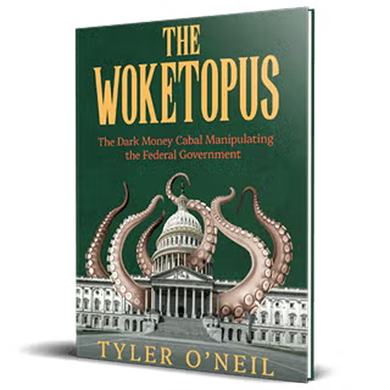
Read the first chapter of The Woketopus right now for FREE
Today, even with President Trump’s victory, leftist elites have their tentacles in every aspect of our government.
The Daily Signal’s own Tyler O’Neil exposes this leftist cabal in his new book, The Woketopus: The Dark Money Cabal Manipulating the Federal Government.
In this book, O’Neil reveals how the Left’s NGO apparatus pursues its woke agenda, maneuvering like an octopus by circumventing Congress and entrenching its interests in the federal government.
You can read the first chapter of this new book for FREE in this eBook, The Woketopus: Chapter One using the secure link below.
TRENDING ARTICLES


The Daily Signal depends on the support of readers like you.
RELATED ARTICLES



Don’t miss the

Don’t miss the signal