
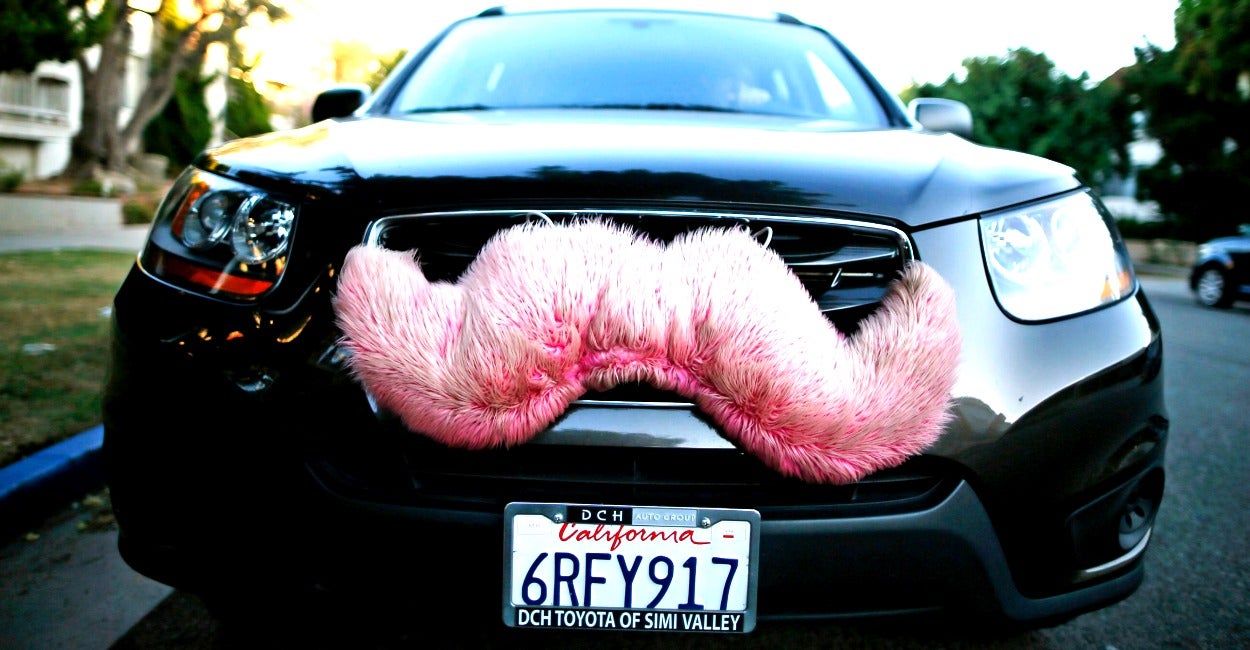
When you buy an antique on eBay or use Lyft for taxi service, you’re a customer in the growing “gig economy.” According to new research from the JPMorgan Chase Institute, about 1 in 100 American adults receives income via one of these new “online earning platforms” each month. That’s not a big share of the economy yet, but has approximately doubled every year since 2012. And over 4 in 100 adults have earned gig economy income at some point.
Most are using these side jobs to augment their regular salary or to work slack days in their normal work schedule. Within the gig economy, less than a quarter are providing services like cleaning houses or driving. Others rent or sell items, such as on Etsy or Airbnb. Of the quarter that provide a service, 15 percent are over the age of 55—and few of these workers earn their income solely from their gig economy job.
These jobs exist all over the U.S., but they are more common in the West and less common in the Northeast.
Online platforms have given workers greater flexibility and made assets like cars and homes more productive. They help raise income for the suppliers of the labor or capital, and they also reduce costs for the consumer. In Washington, D.C., an 11-minute ride from Union Station to the White House would cost about $14 in a traditional taxi versus $5 to $10 through popular ride-sharing apps. Thus, it is no surprise that old vested interests, such as the owners of traditional taxicab companies, have lobbied local government to outlaw the new competitors.
In San Francisco, home rentals through Homeaway, Airbnb, and similar platforms narrowly survived a challenge on a November ballot initiative.
Cronyism exists overseas, too. Tourists at the 2016 Olympic Games in Rio de Janeiro will not be allowed to use Uber or other ride-sharing services thanks to pro-taxicab lobbying.
TRENDING ARTICLES


The gig economy has proven over the last few years to create a win-win relationship between the providers and the recipients of the shared services and an unequivocal success for the free market. Even though the gig economy remains small, it has expanded economic opportunity, augmented incomes, expanded consumer choice, and given more people the opportunity to be their own bosses—even if it’s only for a few hours a week.

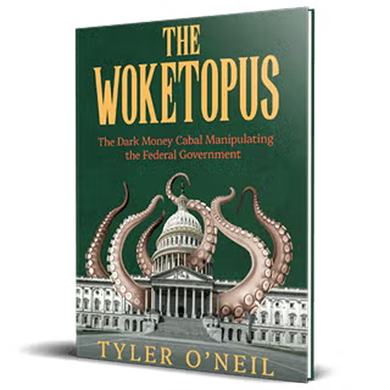
Read the first chapter of The Woketopus right now for FREE
Today, even with President Trump’s victory, leftist elites have their tentacles in every aspect of our government.
The Daily Signal’s own Tyler O’Neil exposes this leftist cabal in his new book, The Woketopus: The Dark Money Cabal Manipulating the Federal Government.
In this book, O’Neil reveals how the Left’s NGO apparatus pursues its woke agenda, maneuvering like an octopus by circumventing Congress and entrenching its interests in the federal government.
You can read the first chapter of this new book for FREE in this eBook, The Woketopus: Chapter One using the secure link below.




The Daily Signal depends on the support of readers like you.
RELATED ARTICLES





Don’t miss the

Don’t miss the signal