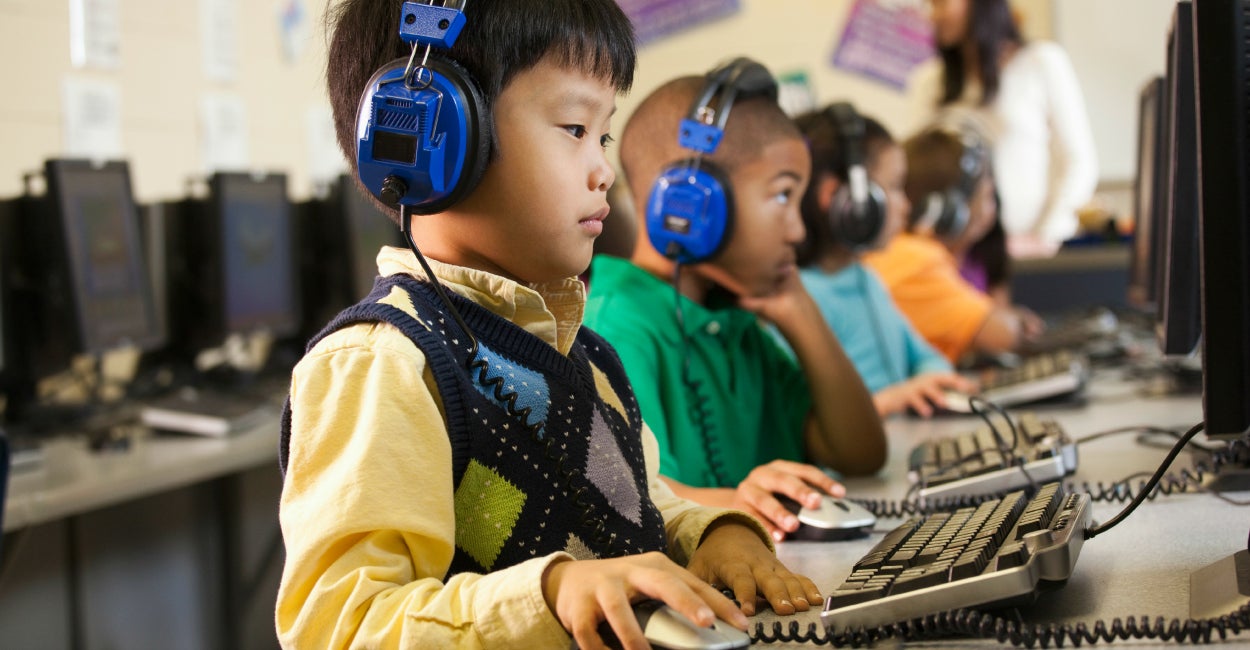
Nevada Gov. Brian Sandoval made education reform history last week when he signed the nation’s first universal education savings account program into law.
The accounts are designed to give every Nevada student who has been enrolled in public school for at least 100 days an opportunity to have an educational experience tailored to their individual needs. This is one step forward for school choice, but it is one giant leap for how our nation understands schooling.
This is precisely what Washington Post authors Lyndsey Layton and Emma Brown get wrong in their analysis of the program last week.
“Since 2006, 27 states have opted for one of three methods that transfer public tax dollars to private schools: Vouchers for students from low- and middle-income families or disabled students; tax credits, up to 100 percent of tuition, for donations to private school scholarships; and education savings accounts, which allow qualifying families to use public funds to pay for private school tuition, tutoring, online education and other services,” wrote Layton and Brown.
“Under the law that Nevada Gov. Brian Sandoval signed Tuesday, children must be enrolled in a public school for at least 100 days before they can receive a voucher.”
Education savings accounts represent school choice 2.0. Vouchers were the rotary phones of school choice—a necessary step but not the final destination. Education savings accounts are the smartphones. “We are heading in the direction of iPhone choice programs—they still do that one thing well, but they also do a lot of other things,” said Dr. Matthew Ladner, senior fellow at the Foundation for Excellence in Education.
TRENDING ARTICLES



Hatched in Arizona in 2011, education savings accounts give parents “debit cards” they can use to pay for pre-approved educational options. This new method places students’ needs first instead of funding a system that may not work for them.
In Nevada, students who qualify for free and reduced price lunch can have 100 percent of the state per-pupil funds that would have been spent on them in public school deposited into the account to be spent on education products or services such as private school tuition, textbooks, curricula, online courses, dual enrollment college courses and AP exams. Students who don’t qualify for federal free and reduced lunch can have 90 percent of their per-pupil expense deposited into their account for the same allowable uses. Unused funds can even roll over from one year to the next.
This ability to separate the financing of education from the delivery of services has the potential to transform the educational landscape of America—which has significant room for improvement. The most recent National Assessment for Educational Progress scores show only 26 percent of high school seniors are proficient in math and just 38 percent in reading.
Massive centralization and spending haven’t catalyzed academic improvements, but education choice options have led to increased graduation rates, increased parental satisfaction and increased college enrollment.
Decentralizing education and placing accountability back in the hands of parents, who are closest to the students and know the needs of their children best, is student-centered education reform. Building on the conceptual foundation of vouchers economist Milton Friedman established in 1955, universal education savings accounts are, to date, the ultimate in school choice because they enable all students to have access to a top-notch, customized education that meets their unique learning needs.

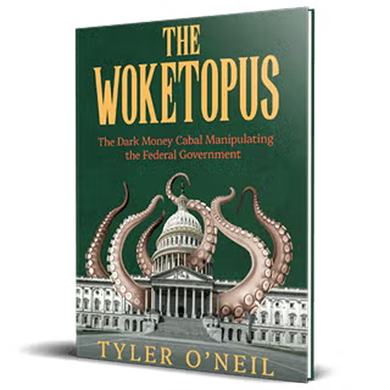
Read the first chapter of The Woketopus right now for FREE
Today, even with President Trump’s victory, leftist elites have their tentacles in every aspect of our government.
The Daily Signal’s own Tyler O’Neil exposes this leftist cabal in his new book, The Woketopus: The Dark Money Cabal Manipulating the Federal Government.
In this book, O’Neil reveals how the Left’s NGO apparatus pursues its woke agenda, maneuvering like an octopus by circumventing Congress and entrenching its interests in the federal government.
You can read the first chapter of this new book for FREE in this eBook, The Woketopus: Chapter One using the secure link below.
TRENDING ARTICLES




The Daily Signal depends on the support of readers like you.
RELATED ARTICLES



Don’t miss the
Don’t miss the signal