The Wall Street Reform and Consumer Protection Act (known as Dodd-Frank) is not just damaging the U.S. economy through excessive and ill-designed regulations. It’s also contributing to a conflict halfway around the world.
Under Dodd-Frank, countries registered with the U.S. Securities and Exchange Commission (SEC) operating in the Democratic Republic of Congo (DRC) and neighboring countries are subject to enhanced regulatory scrutiny to combat “conflict minerals” (raw materials that finance armed violence) that have helped fund rebel groups in the eastern region. The problem is serious, but rather than helping, the clumsy and expensive regulations of Dodd-Frank are ultimately forcing the closure of artisanal mines and pushing former miners into dangerous militias.
The scope of regulations is onerous. The SEC estimated regulatory costs associated with the law at $3 billion to $4 billion in the first year of implementation and $200 million per year afterward. These compliance costs are absurdly high considering regional trade volumes. In 2012, recorded exports from the 10 affected countries in the three target minerals (tin, tantalum, and tungsten) reached only $283 million total—meaning compliance costs will be over 70 percent of the total value of the minerals.
According to reports, these stringent regulations (which in addition require companies to verify that minerals are not “conflict minerals” along the entirety of the value chain) are simply locking the poorest miners in the region out of the market. In some cases, buyers have backed away from the market entirely, leaving miners unemployed. Without economic opportunity, these unemployed miners are then drawn to local militias that ravage the region. Other miners, seeking to avoid regulation in the formal sector, have turned to smugglers, who pay the militias for protection. This entrenches the militias—the very actors the law sought to hinder—within the illicit mineral market.
Ultimately, the law failed to recognize the detrimental affect it would have on the very people Washington lawmakers sought to help. By simply reducing the conflict in the eastern DRC to mineral extraction, conflict-mineral advocates and Dodd-Frank supporters intervened in a way that is more harmful than helpful.




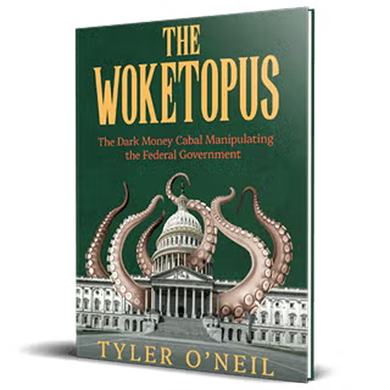
Read the first chapter of The Woketopus right now for FREE
Today, even with President Trump’s victory, leftist elites have their tentacles in every aspect of our government.
The Daily Signal’s own Tyler O’Neil exposes this leftist cabal in his new book, The Woketopus: The Dark Money Cabal Manipulating the Federal Government.
In this book, O’Neil reveals how the Left’s NGO apparatus pursues its woke agenda, maneuvering like an octopus by circumventing Congress and entrenching its interests in the federal government.
You can read the first chapter of this new book for FREE in this eBook, The Woketopus: Chapter One using the secure link below.
TRENDING ARTICLES


The Daily Signal depends on the support of readers like you.
RELATED ARTICLES



Don’t miss the

Don’t miss the signal