
Is the US Operation in Iran a Gift to Putin?
Virginia Allen /
MIAMI—Operation Epic Fury bears significant consequences for Russia, according to European leaders. Russia is financially benefiting from the joint U.S.-Israel operation in Iran, but the conflict’s long-term implications are more complex.
Russian oil sales significantly increased following the launch of the operation in Iran. With the Iranian regime threatening to strike ships moving through the Strait of Hormuz, a key oil shipping lane, Russia is benefiting from rising oil costs and increased demand.
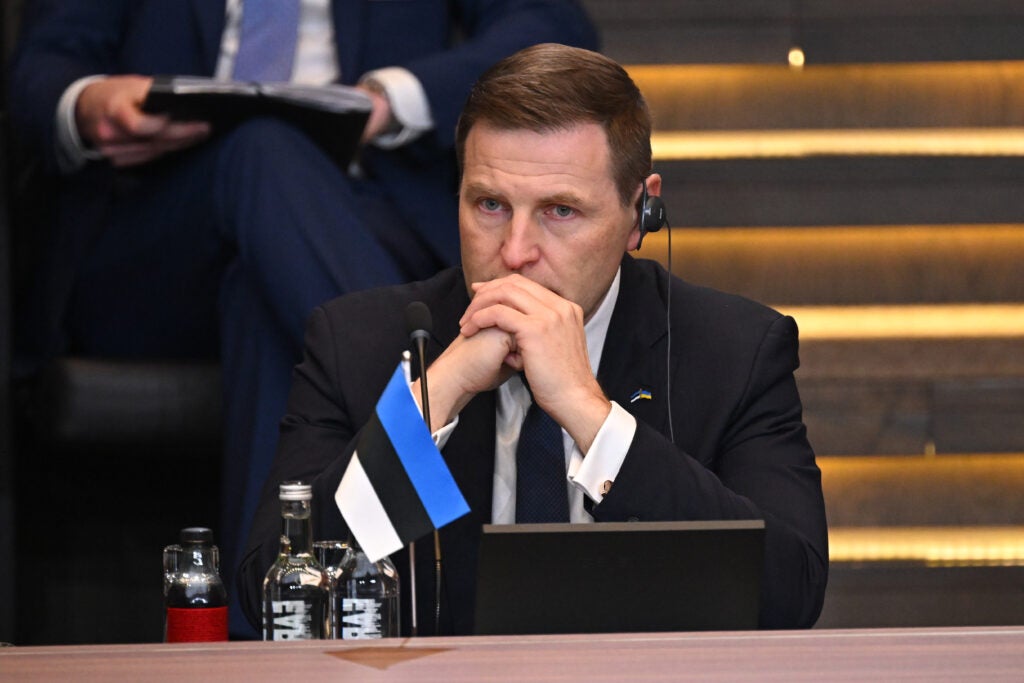
Since the operation in Iran began three weeks ago, “Russia has now received suddenly a lot of new funds, up to $150 million daily … purely from the oil sales,” Estonia’s Minister of Defense Hanno Pevkur told The Daily Signal at the Miami Security Forum.
The additional oil revenue is not going into Russia’s reserves, but instead Russia will pour “it immediately [into] the Ukrainian war,” Pevkur says.
It has been more than four years since Russia launched its full-scale invasion of Ukraine.
Russia’s economy had been “showing signs of severe strain” in recent months, according to the Atlantic Council, a policy organization focused on foreign affairs. But now, with rising oil prices, “Moscow may be able to repair much of the economic damage done over the past four years,” the council says.
Russian President Vladimir Putin is “applauding” the conflict in Iran and will “never tell the Iranians that, ‘Hey, sit behind the table with Americans and find a solution,’ because he’s winning from this war,” Pevkur said.
Lithuania’s Minister of Foreign Affairs K?stutis Budrys agrees that in the “short term,” the U.S. and Israeli operation in Iran “helps Russia to increase its income,” and even distracts from Russia’s war against Ukraine. However, he predicts the military action will cost Russia in the long-term.
If the operation against Iran is successful, “it will weaken Russia, because it will eliminate another regime that was assisting them,” Budrys said.
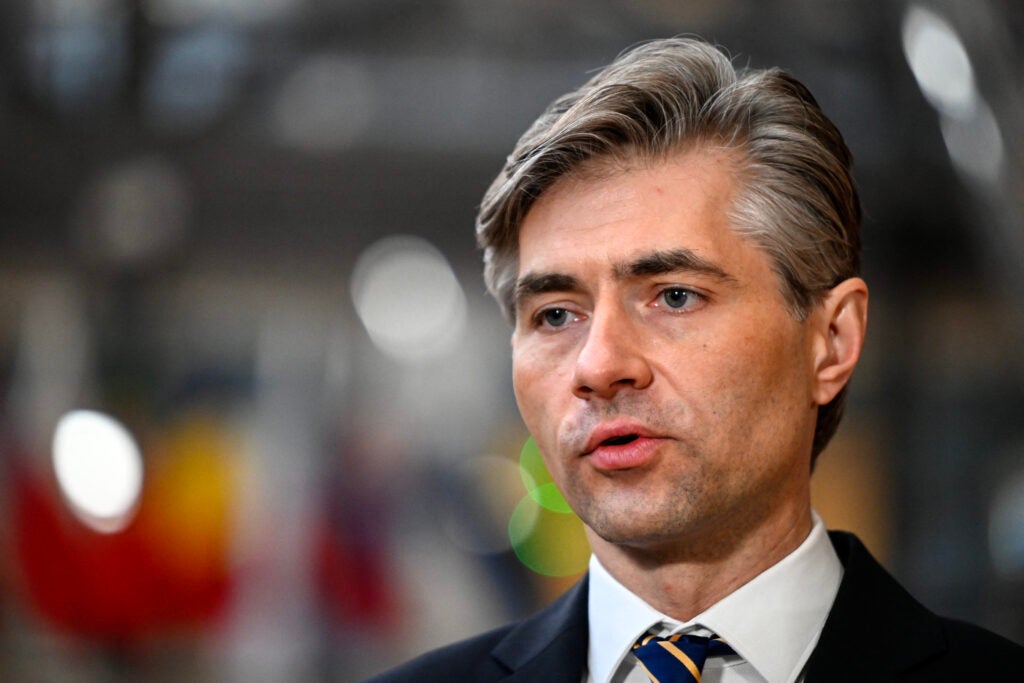
President Donald Trump eased oil sanctions on Russia after Operation Epic Fury sent oil prices soaring, but the sanctions should be “returned when the situation allows,” Budrys said, because “Ukraine cannot be the tradeoff of stabilizing economic effects because of Iran’s behavior.”
Still, the Lithuanian minister said America’s actions in Iran were “the right thing to do,” and serve European interests.
“Iran’s missile program and nuclear program were threats to our security. They are closer to Europe than they are to the United States,” Budrys said, adding.
Iran launched a drone attack on Cyprus in early March, and NATO has intercepted Iranian missiles aimed at Turkey. It is up to Iran now, Budrys says, to come to the negotiating table and find a diplomatic solution.
“My message to my colleagues in Europe,” Budrys says, “is that it is in our interest to stop this threat and to break the Iran-Russia access.”